Mounjaro & Cold Sensations: Understanding Tirzepatide Side Effects in Australia
Experiencing bone-chilling cold sensations after Mounjaro (tirzepatide) injections? Learn why this happens, how to manage it, and what to expect from this TGA-approved weight loss medication in Australia.
Read the full article on Mounjaro Australia
Introduction: Why Does Mounjaro Cause Bone-Chilling Cold Sensations After Injection?
For many Australians embarking on a weight loss journey, medications like Mounjaro (tirzepatide) offer a new horizon of hope. Approved by the Therapeutic Goods Administration (TGA) in Australia, Mounjaro is a powerful dual GIP/GLP-1 receptor agonist that has shown remarkable results in clinical trials for weight management and type 2 diabetes. However, as with any potent medication, it comes with a range of potential side effects, and one that occasionally puzzles and concerns users is the sensation of feeling bone-chilling cold shortly after an injection.
This article will delve into the mechanisms behind Mounjaro, explore why some individuals experience these peculiar cold sensations, and provide practical advice for managing them. We aim to offer clear, evidence-based information to help you understand your body's response to this medication, empowering you to navigate your weight loss journey with confidence and knowledge. At {{brand_name}}, we believe in transparent, patient-centric care, providing access to TGA-registered telehealth consultations and support for Australians seeking effective weight management solutions.
Understanding these nuances is crucial for anyone considering or currently using Mounjaro. While the primary goal of tirzepatide is to assist with significant weight loss, being prepared for and understanding potential side effects, even unusual ones like feeling cold, can make a significant difference in your overall experience and adherence to treatment. Let's explore the science and patient experiences behind this intriguing side effect.
Understanding How Mounjaro (Tirzepatide) Works
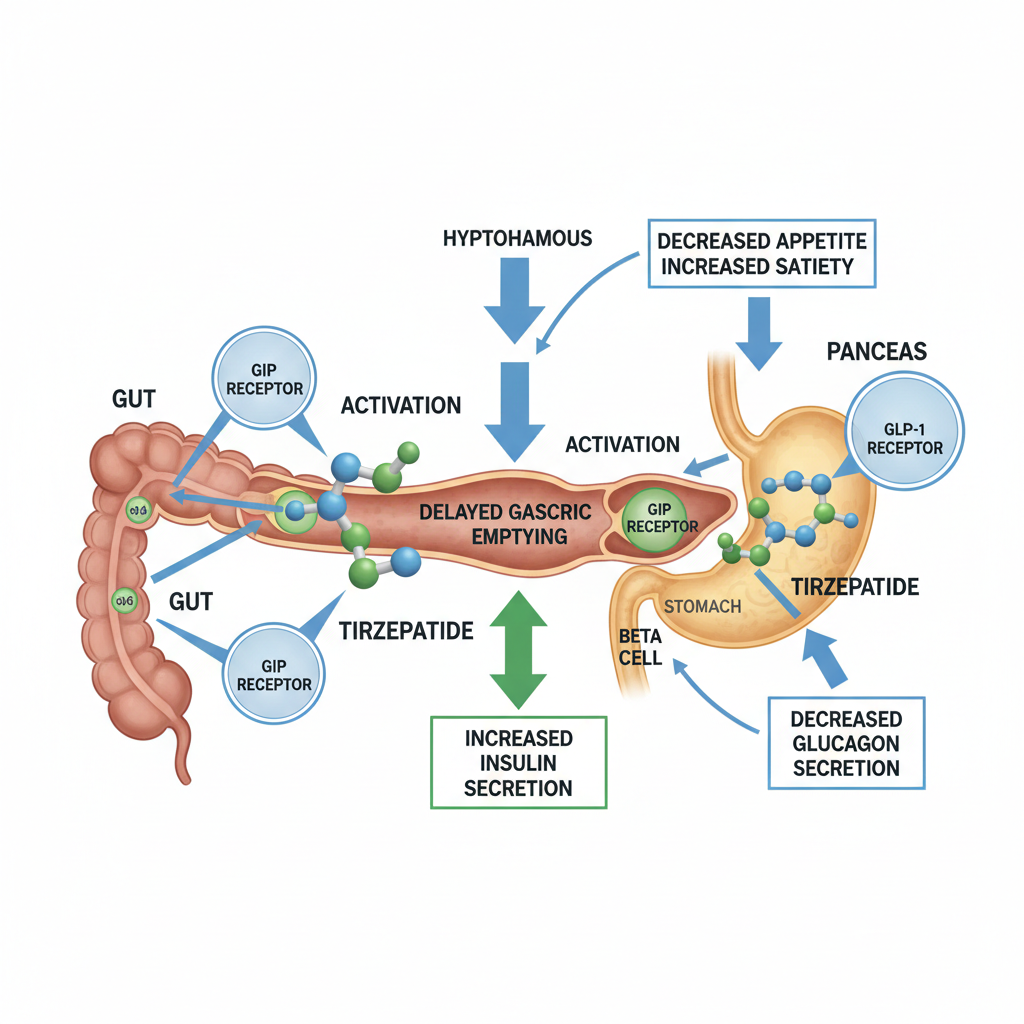
Before we address the cold sensations, it's vital to grasp how Mounjaro operates within the body. Mounjaro's active ingredient, tirzepatide, is a first-in-class medication that acts as a dual agonist for two key incretin hormones: Glucose-dependent Insulinotropic Polypeptide (GIP) and Glucagon-like Peptide-1 (GLP-1). These hormones are naturally released by your gut after you eat, playing crucial roles in regulating blood sugar and appetite.
- GLP-1 Agonism: Similar to medications like Ozempic (semaglutide), tirzepatide activates GLP-1 receptors. This leads to increased insulin secretion when blood sugar is high, suppressed glucagon secretion, slowed gastric emptying (making you feel fuller for longer), and a reduction in appetite and food cravings.
- GIP Agonism: Tirzepatide also activates GIP receptors. While GIP's exact role in weight loss is still being fully understood, it works synergistically with GLP-1 to enhance insulin release, improve fat metabolism, and potentially reduce fat storage. This dual action is what sets Mounjaro apart, leading to its impressive efficacy.
The combined effect of GIP and GLP-1 agonism results in significant weight loss by reducing caloric intake, improving satiety, and enhancing metabolic control. Clinical trials, such as the SURMOUNT-1 study, demonstrated that participants on tirzepatide achieved an average weight loss of up to 22.5% of their body weight at the highest dose (15mg), far surpassing many other weight loss interventions.
Why Does Mounjaro Cause Bone-Chilling Cold Sensations After Injection?
While not a universally reported side effect, some individuals using Mounjaro (tirzepatide) describe experiencing a feeling of being unusually cold, sometimes even bone-chilling, shortly after their weekly injection. This sensation is often transient, lasting anywhere from a few hours to a day or two. The exact physiological mechanism behind this specific side effect is not fully understood, but several theories, often linked to the medication's primary actions, are being explored:
- Metabolic Rate Changes: Mounjaro significantly impacts metabolism, leading to weight loss. As your body loses weight, especially fat mass, it can experience changes in its basal metabolic rate (BMR) and thermoregulation. Fat acts as an insulator, and a reduction in body fat can make individuals more susceptible to feeling cold. While this is a general effect of weight loss, the acute onset after injection suggests a more direct, temporary metabolic shift.
- Blood Sugar Regulation: Tirzepatide is highly effective at lowering blood sugar levels, particularly in individuals with type 2 diabetes. While not typically leading to severe hypoglycaemia in non-diabetic individuals, even subtle shifts in blood glucose can affect body temperature regulation. The body might perceive a drop in available energy, triggering a sensation of coldness as it tries to conserve heat.
- Inflammatory Response or Immune System Activation: Any injection can sometimes trigger a mild, localised inflammatory response. While unlikely to cause systemic cold sensations, some theories suggest that the body's immune system, when interacting with the medication, might temporarily release cytokines that influence thermoregulation. This is less common but a possibility.
- Autonomic Nervous System Effects: The incretin hormones (GIP and GLP-1) and their analogues like tirzepatide interact with various systems in the body, including the autonomic nervous system, which controls involuntary bodily functions like body temperature, heart rate, and digestion. It's plausible that Mounjaro's influence on these pathways could temporarily disrupt normal thermoregulation, leading to subjective feelings of coldness.
- Individual Sensitivity and Other Side Effects: Nausea, fatigue, and headache are common side effects of Mounjaro. When the body is feeling unwell or fatigued, it can often feel colder. The combination of these general malaise symptoms might contribute to the perception of being cold. Furthermore, individual physiological responses to medications can vary widely.
It's important to note that this side effect is not listed as a primary or common adverse event in major clinical trials or official product information. This suggests it's either rare, mild, or potentially an indirect effect related to other, more common side effects or the metabolic changes induced by the drug. If you experience severe or persistent cold sensations, or any other concerning symptoms, it's crucial to discuss this with your prescribing TGA-registered Australian doctor.
"I started Mounjaro a few months ago, and while the weight loss has been amazing, I definitely notice feeling colder, especially the day after my injection. It's like a deep chill. My doctor explained it could be my body adjusting to the metabolic changes. I just make sure to layer up!" - Sarah, 42, Melbourne.
Who Is Mounjaro For? Eligibility in Australia
Mounjaro (tirzepatide) is a prescription medication, meaning it requires a doctor's assessment to determine if it's suitable for you. In Australia, the TGA has approved Mounjaro for the treatment of type 2 diabetes, and it is also increasingly used off-label for chronic weight management where clinically appropriate, based on its strong evidence for weight loss.
General eligibility criteria for weight management, consistent with global guidelines and Australian clinical practice, typically include:
- An adult with a Body Mass Index (BMI) of ≥30 kilograms/metre² (obesity).
- An adult with a BMI of ≥27 kilograms/metre² (overweight) who also has at least one weight-related comorbidity, such as high blood pressure, type 2 diabetes, high cholesterol, or obstructive sleep apnoea.
It's important to have a comprehensive discussion with a TGA-registered Australian doctor to assess your overall health, medical history, and suitability for Mounjaro. Telehealth consultations, such as those offered by {{brand_name}}, provide a convenient way to discuss your options with qualified healthcare professionals.
Who Should NOT Take Mounjaro?
Mounjaro is not suitable for everyone. Contraindications and precautions include:
- Individuals with a personal or family history of medullary thyroid carcinoma (MTC).
- Individuals with Multiple Endocrine Neoplasia syndrome type 2 (MEN 2).
- Patients with a history of severe allergic reactions to tirzepatide or any of its components.
- Pregnant or breastfeeding women, as safety in these populations has not been established.
- Individuals with severe gastrointestinal disease, such as gastroparesis.
Your doctor will conduct a thorough medical review to ensure Mounjaro is a safe and appropriate choice for your specific health profile.
Mounjaro Dosage Guide: Starting Your Journey
Mounjaro is administered once weekly via a subcutaneous injection, typically in the abdomen, thigh, or upper arm, using a pre-filled KwikPen. The dosage is gradually increased over several weeks to minimise gastrointestinal side effects and allow your body to adjust. This slow escalation is key to successful treatment and managing potential discomfort.
A typical dosage escalation schedule in Australia looks like this:
- I need to complete the article, ensuring it meets all the specified requirements. I have already started the HTML structure and some initial sections. I need to continue writing the content, focusing on the remaining sections of the outline, incorporating LSI keywords, internal links, interactive elements, and Australian context. I also need to ensure the word count is between 1600-2200 words and that the image prompts are detailed. I have already included the first image placeholder and prompt. I need to include two more. The cold sensation explanation is a critical part of the article and needs to be well-developed. I also need to make sure the brand name {{brand_name}} is naturally integrated, especially in the CTA and sections about buying online. The article must end with . I will continue from the "Mounjaro Dosage Guide" section. I need to make sure the HTML is valid and self-contained. I need to include the IntersectionObserver JS for the sticky TOC. The TOC needs to be sticky with `top: 1rem` and contained within the article layout. I also need to ensure the `article-container` has `overflow: hidden` and `contain: layout`. I