Mounjaro & Hair Loss: How Long Does It Last & Will It Grow Back?
Concerned about hair loss on Mounjaro (tirzepatide)? Discover why it happens, how long it lasts, and if your hair will grow back, with expert insights for Australians.
Read the full article on Mounjaro Australia
This article is for informational purposes only and is not medical advice. Mounjaro (tirzepatide) is a TGA-approved prescription medication. Always consult a TGA-registered Australian doctor before starting any weight-loss medication.
How Long Does Hair Loss Last After Starting Mounjaro and Will It Grow Back?
For many Australians embarking on a weight loss journey with medications like Mounjaro (tirzepatide), the prospect of significant health improvements is incredibly motivating. Mounjaro, a TGA-approved dual GIP/GLP-1 receptor agonist, has shown remarkable efficacy in clinical trials for weight reduction. However, a common concern that can arise during rapid weight loss, regardless of the method, is hair thinning or loss. So, if you're asking, "How long does hair loss last after starting Mounjaro and will it grow back?", you're not alone. The good news is that for most individuals, this type of hair loss is temporary and reversible.
At {{brand_name}}, we understand that navigating weight management can bring unexpected challenges. Our goal is to provide clear, evidence-based information to help you make informed decisions about your health. While Mounjaro is a powerful tool, understanding its potential side effects, including temporary hair loss, is crucial. This article will delve into why hair loss can occur, its typical duration, and what you can expect regarding regrowth, all within an Australian context.
How Mounjaro (Tirzepatide) Works for Weight Loss
Before we address hair loss, it's important to understand the mechanism behind Mounjaro's effectiveness. Tirzepatide, the active ingredient in Mounjaro, is a novel medication that acts as a dual agonist for both glucose-dependent insulinotropic polypeptide (GIP) and glucagon-like peptide-1 (GLP-1) receptors. This dual action sets it apart from earlier GLP-1 analogues like semaglutide (Ozempic/Wegovy).
- GIP Receptor Agonism: GIP is a hormone that enhances insulin secretion and plays a role in fat metabolism. By activating GIP receptors, tirzepatide can further improve blood sugar control and potentially influence how the body stores and uses fat.
- GLP-1 Receptor Agonism: GLP-1 is well-known for its effects on appetite suppression, slowing gastric emptying (making you feel fuller for longer), and stimulating insulin release when blood sugar is high.
The combined effect of these actions leads to significant reductions in appetite, improved satiety, and better metabolic control, resulting in substantial weight loss. Clinical trials, such as the SURMOUNT-1 study, demonstrated that participants on Mounjaro 15mg achieved an average weight loss of up to 22.5% of their body weight over 72 weeks, which translates to an average of 24.3 kilograms for someone starting at 108 kg. This profound and often rapid weight loss is a key factor in understanding associated side effects.
Understanding Hair Loss on Mounjaro
Hair loss, specifically a condition called telogen effluvium, is a known, though generally temporary, side effect associated with rapid or significant weight loss, rather than being a direct side effect of tirzepatide itself. It can occur with various weight loss methods, including bariatric surgery, very low-calorie diets, and indeed, effective weight loss medications like Mounjaro.
What is Telogen Effluvium?
Our hair grows in cycles: anagen (growth phase), catagen (transitional phase), and telogen (resting phase). Normally, about 10-15% of our hair is in the telogen phase at any given time. Telogen effluvium occurs when a significant physiological stressor (like rapid weight loss, surgery, severe illness, or even childbirth) prematurely pushes a large number of growing hairs into the resting phase. Approximately 2-3 months after the stressful event, these resting hairs then shed, leading to noticeable hair thinning.
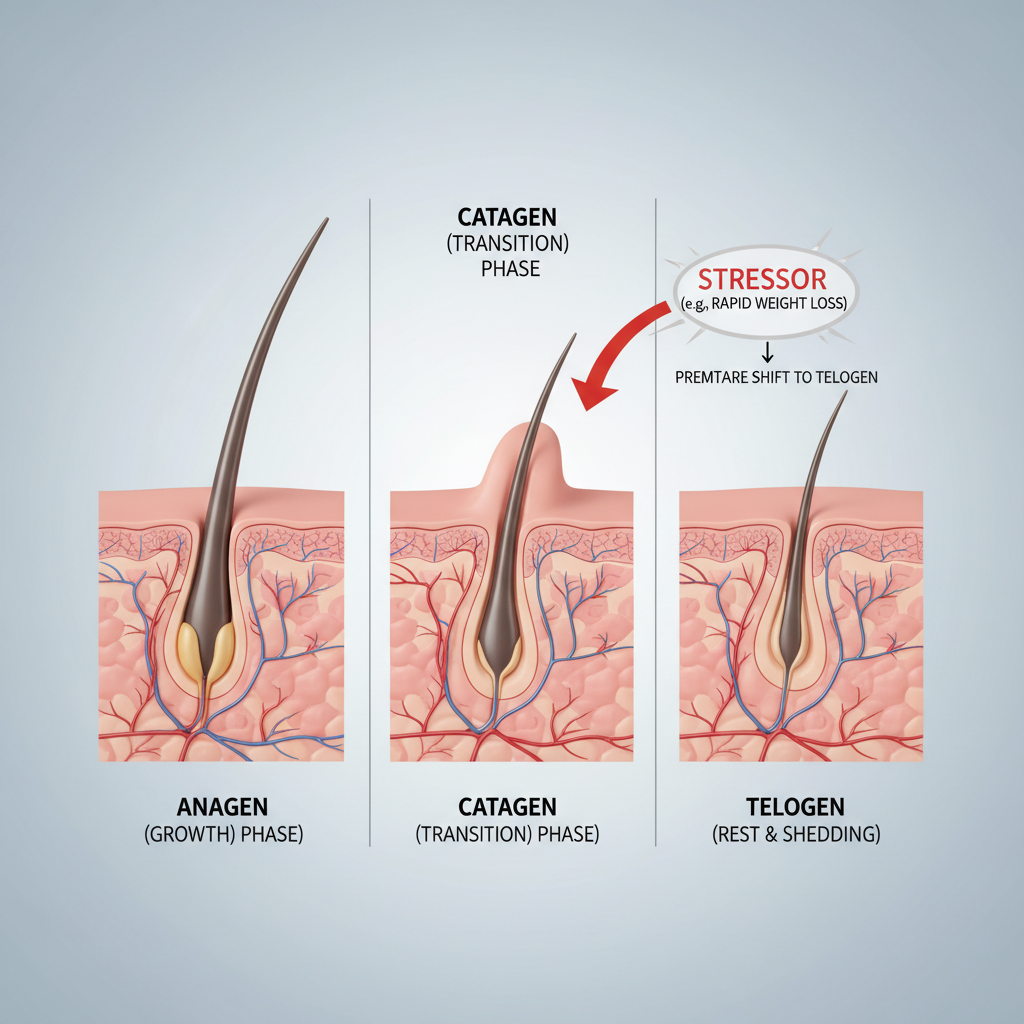
Why Does Rapid Weight Loss Cause Hair Loss?
The body perceives rapid weight loss as a form of stress. When calorie intake is significantly reduced, or the body undergoes major metabolic changes, it prioritises essential functions over non-essential ones, like hair growth. This can lead to:
- Nutrient Deficiencies: Even with a balanced diet, rapid weight loss can sometimes lead to temporary deficiencies in vital nutrients for hair health, such as iron, zinc, biotin, and protein.
- Metabolic Stress: The body's adjustment to a new metabolic state can trigger a stress response that impacts hair follicles.
- Hormonal Shifts: Weight loss can influence hormone levels, which in turn can affect hair cycles.
It's important to reiterate that this is a systemic response to the physiological changes of weight loss, not a specific toxic effect of tirzepatide on hair follicles. Many individuals experience significant weight loss with Mounjaro without experiencing noticeable hair loss, while others may find it a temporary concern.
How Long Does Hair Loss Last and Will It Grow Back?
The most reassuring answer to "How long does hair loss last after starting Mounjaro and will it grow back?" is that for the vast majority of people experiencing telogen effluvium due to weight loss, it is temporary and your hair will grow back. The timeline for this process typically involves a few stages:
- Onset: Hair shedding usually begins 2-3 months after the significant weight loss has commenced or stabilised. This delay is due to the hair growth cycle, as hairs pushed into the resting phase take time to shed.
- Duration of Shedding: Active shedding typically lasts for about 3 to 6 months. During this period, you might notice more hair in your brush, shower drain, or on your pillow.
- Regrowth: Once the body adjusts to its new weight and metabolic state, and any nutritional imbalances are corrected, the hair follicles will typically re-enter the anagen (growth) phase. New hair growth usually becomes noticeable within 6 to 12 months after the shedding began. Full density may take longer, often up to 12-18 months, as the new hairs grow to their normal length.
This means that if you start Mounjaro and experience rapid weight loss, you might notice hair thinning around month 3-5, and then expect to see regrowth starting from month 6 and continuing over the next year. Patience is key during this period.
"I was really worried when my hair started thinning a few months into my Mounjaro journey. I'd lost about 15 kilograms, and it felt like a double-edged sword. My doctor explained it was common with rapid weight loss. True to her word, after about 6 months, I started seeing baby hairs, and now, a year later, my hair is back to its normal thickness. The weight loss was worth it, but it was definitely a concern at the time." – Sarah, 42, Melbourne.
Strategies to Mitigate Hair Loss While on Mounjaro
While telogen effluvium is often an unavoidable consequence of significant weight loss, there are proactive steps you can take to support hair health and potentially minimise the extent or duration of shedding:

1. Prioritise Nutrient-Dense Nutrition
Ensure your diet is rich in essential vitamins and minerals crucial for hair growth:
- Protein: Hair is primarily made of protein. Aim for adequate protein intake from lean meats, fish, eggs, dairy, legumes, and nuts.
- Iron: Iron deficiency is a common cause of hair loss. Include iron-rich foods like red meat, spinach, lentils, and fortified cereals.
- Zinc: Found in oysters, beef, pumpkin seeds, and legumes.
- Biotin (Vitamin B7): While not a magic bullet, biotin supports healthy hair. Eggs, nuts, seeds, and sweet potatoes are good sources.
- Omega-3 Fatty Acids: From fatty fish (salmon, mackerel), flaxseeds, and walnuts, which support scalp health.
Consulting with an accredited practising dietitian (APD) in Australia can help you create a balanced meal plan that supports weight loss while ensuring optimal nutrient intake.
2. Stay Hydrated
Drinking plenty of water is vital for overall health, including the health of your hair and scalp. Dehydration can exacerbate many side effects and stress on the body.
3. Manage Stress
Stress itself can trigger telogen effluvium. Incorporate stress-reducing activities like mindfulness, yoga, meditation, or spending time in nature.
4. Gentle Hair Care
During a period of shedding, be extra gentle with your hair. Avoid harsh chemical treatments, excessive heat styling, tight hairstyles, and aggressive brushing. Use mild shampoos and conditioners.
5. Discuss with Your Doctor
If hair loss is significant or causing distress, always speak to your TGA-registered Australian doctor. They can rule out other potential causes of hair loss (e.g., thyroid issues, other medical conditions, or medication side effects) and recommend appropriate blood tests to check for nutrient deficiencies. They might suggest specific supplements if deficiencies are identified.
Mounjaro vs. Other Weight Loss Medications
When considering Mounjaro, it's helpful to understand how it compares to other TGA-approved weight loss medications available in Australia. While all aim for weight reduction, their mechanisms and efficacy can differ, which might indirectly influence the likelihood or severity of associated side effects like hair loss (which, again, is primarily linked to the rate of weight loss).
| Feature | Mounjaro (Tirzepatide) | Ozempic/Wegovy (Semaglutide) | Saxenda (Liraglutide) |
|---|---|---|---|
| Mechanism | Dual GIP/GLP-1 receptor agonist | GLP-1 receptor agonist | GLP-1 receptor agonist |
| TGA Approval for Weight Loss (Australia) | Yes (for chronic weight management) | Wegovy: Yes (Ozempic: Type 2 Diabetes, off-label for weight loss) | Yes (for chronic weight management) |
| Average Weight Loss (Clinical Trials) | Up to 22.5% (15mg dose) | Wegovy: ~15% (2.4mg dose) | ~5-10% |
| Administration | Once-weekly subcutaneous injection | Once-weekly subcutaneous injection | Once-daily subcutaneous injection |
| Common Side Effects | Nausea, diarrhoea, constipation, vomiting, abdominal pain | Nausea, diarrhoea, constipation, vomiting, abdominal pain | Nausea, vomiting, diarrhoea, constipation |
| Potential for Hair Loss (Telogen Effluvium) | Yes (due to rapid weight loss) | Yes (due to rapid weight loss) | Yes (due to rapid weight loss) |
| Typical AUD Cost (Private) | Varies by dosage, approx. $350-$450 per month | Wegovy: Expected similar to Mounjaro. Ozempic: ~$140 per month (if available privately) | ~$400-$500 per month |
As you can see, the potential for hair loss is a general consideration across effective weight loss medications due to the rapid weight reduction they facilitate. Mounjaro's superior weight loss efficacy may mean a higher likelihood of experiencing this temporary side effect for some, simply because it achieves more significant changes in body weight.
Accessing Mounjaro in Australia: Cost & Safety
Mounjaro is a prescription-only medication in Australia, approved by the Therapeutic Goods Administration (TGA) for chronic weight management. It is crucial to obtain Mounjaro through legitimate channels to ensure safety and efficacy.
How to Access Mounjaro Safely in Australia
The process typically involves:
- TGA-Registered Telehealth Consultation: Like {{brand_name}}, many reputable Australian telehealth platforms offer consultations with TGA-registered doctors. During this consultation, your medical history, current health status, and eligibility for Mounjaro will be assessed.
- Prescription: If deemed suitable, the doctor will issue a valid prescription.
- Licensed Australian Pharmacy: Your prescription will be dispensed by a licensed Australian pharmacy. This ensures you receive genuine Mounjaro (tirzepatide) from Eli Lilly, not counterfeit or unregulated compounded versions.
- Delivery: Medications can often be delivered directly to your door, whether you're in Sydney, Melbourne, Brisbane, Perth, Adelaide, or regional areas.
Be wary of websites offering Mounjaro without a prescription or at suspiciously low prices, as these are likely unregulated and unsafe. Always prioritise your health by using TGA-approved providers.
Mounjaro Cost in Australia (AUD)
The cost of Mounjaro in Australia is a significant consideration for many. As it is not currently on the Pharmaceutical Benefits Scheme (PBS) for weight loss, it is a private prescription. Prices can vary slightly between pharmacies and dosages. Generally, you can expect to pay:
- Mounjaro 2.5mg: Approximately $350 - $400 per month
- Mounjaro 5mg, 7.5mg, 10mg, 12.5mg, 15mg: Prices typically range from $380 - $450 per month, with higher doses sometimes costing slightly more.
These prices are indicative and can change. For the most up-to-date and transparent pricing, we encourage you to visit our Mounjaro pricing page.
Holistic Patient Tips & Lifestyle Support
Beyond medication, integrating healthy lifestyle practices is paramount for both successful weight management and supporting overall well-being, including hair health. This holistic approach can also help manage other potential side effects of Mounjaro.
Dietary Focus
- Protein Power: Ensure each meal contains a good source of lean protein to support muscle mass preservation during weight loss and provide building blocks for hair.
- Fibre-Rich Foods: Vegetables, fruits, and whole grains aid digestion and provide essential nutrients.
- Healthy Fats: Include avocados, nuts, seeds, and olive oil for overall health and nutrient absorption.
- Mindful Eating: Mounjaro helps reduce appetite, but mindful eating practices can further enhance your relationship with food.
Exercise for Health
- Resistance Training: Crucial for preserving muscle mass, which can otherwise be lost during weight reduction. This also supports metabolism.
- Cardiovascular Activity: Regular walks, swimming, or cycling improve cardiovascular health and mood.
Sleep, Stress, and Mindfulness
Adequate sleep (7-9 hours per night) and effective stress management are vital. Chronic stress can impact hormones and contribute to hair loss. Practices like meditation, deep breathing exercises, or spending time in nature can be beneficial.
Managing Mounjaro Side Effects
Common side effects like nausea or constipation can often be managed with simple strategies:
- Eat smaller, more frequent meals.
- Avoid greasy or very spicy foods.
- Stay well-hydrated.
- Increase fibre intake gradually to combat constipation.
- Slowly titrate your Mounjaro dosage as advised by your doctor. You can learn more about this on our dosage guide.
Frequently Asked Questions (FAQ)
Is Mounjaro TGA-approved for weight loss in Australia?
Yes, Mounjaro (tirzepatide) received TGA approval in Australia for chronic weight management in November 2023. It is available by prescription for eligible individuals.
Can Mounjaro cause permanent hair loss?
No, the hair loss associated with Mounjaro and rapid weight loss is typically a temporary condition called telogen effluvium. It is not permanent, and hair usually regrows once the body adjusts and nutritional balance is restored.
What are the eligibility criteria for Mounjaro in Australia?
Generally, Mounjaro is prescribed for adults with a Body Mass Index (BMI) of 30 kg/m² or greater (obesity), or a BMI of 27 kg/m² or greater (overweight) with at least one weight-related comorbidity such as high blood pressure, type 2 diabetes, or high cholesterol. A TGA-registered doctor will assess your individual eligibility.
How much weight can I expect to lose on Mounjaro?
Clinical trials showed significant weight loss, with participants on the highest dose (15mg) losing an average of 22.5% of their body weight. Individual results vary based on starting weight, adherence to treatment, and lifestyle changes.
Where can I buy Mounjaro safely in Australia?
Mounjaro must be prescribed by a TGA-registered Australian doctor and dispensed by a licensed Australian pharmacy. Telehealth services like {{brand_name}} offer a convenient and safe way to access consultations and prescriptions. Visit our products page for more information.
Final Thoughts & Your Next Steps
The journey to a healthier weight with Mounjaro (tirzepatide) offers life-changing benefits for many Australians. While concerns like hair loss are understandable, it