How do I appeal an insurance denial for Mounjaro when my A1C isn't high enough?
Navigating the world of prescription medication and private health insurance in Australia can be complex, especially when it comes to newer, highly effective treatments like Mounjaro (tirzepatide). Many Australians seeking support for weight management are discovering the significant benefits of this TGA-approved dual GIP/GLP-1 receptor agonist. However, a common hurdle arises when private health insurers deny coverage, often citing reasons related to blood glucose levels or a lack of a Type 2 Diabetes diagnosis – specifically, that your A1C isn't high enough.
At {{brand_name}}, we understand the frustration and confusion this can cause. Our mission is to provide accessible, TGA-registered telehealth consultations and support for Australians looking to manage their weight effectively. This comprehensive guide will walk you through the intricacies of appealing an insurance denial for Mounjaro, even when your A1C doesn't meet standard diabetic thresholds, focusing on strategies relevant to the Australian healthcare landscape. We'll help you understand the criteria, gather the necessary evidence, and advocate for your health needs.
Understanding Mounjaro (Tirzepatide) and A1C
Mounjaro, with its active ingredient tirzepatide, represents a significant advancement in both diabetes management and weight loss. It's a unique medication because it acts as a dual agonist for both glucose-dependent insulinotropic polypeptide (GIP) and glucagon-like peptide-1 (GLP-1) receptors. This dual action helps regulate blood sugar, slow gastric emptying, and reduce appetite, leading to substantial weight loss outcomes.
The TGA (Therapeutic Goods Administration) in Australia has approved Mounjaro for the treatment of adults with inadequately controlled Type 2 Diabetes Mellitus, as an adjunct to diet and exercise. While its weight loss efficacy is well-documented through clinical trials like the SURMOUNT program, its primary TGA indication is currently for diabetes. This distinction is crucial when dealing with insurance providers.
HbA1c (Glycated Haemoglobin), commonly referred to as A1C, is a blood test that provides an average of your blood sugar levels over the past two to three months. For most private health insurers, an A1C level of 6.5% or higher is a key diagnostic criterion for Type 2 Diabetes. If your A1C is below this threshold, even if you have significant weight-related health issues, your insurer might deem Mounjaro "not medically necessary" based on its primary TGA indication for diabetes.

Why Your A1C Matters (and How to Argue Beyond It) for Insurance Coverage
Private health insurers operate based on strict guidelines and formularies, which often align with the TGA-approved indications for medications. For Mounjaro, this typically means coverage is more straightforward for individuals with a confirmed diagnosis of Type 2 Diabetes, evidenced by an A1C of 6.5% or above. If your A1C is, for example, 5.8% or 6.2% – indicating pre-diabetes or normal blood sugar – your insurer may initially deny coverage for Mounjaro when prescribed for weight management alone.
However, it's vital to remember that medical necessity extends beyond a single lab value. Obesity is a complex chronic disease associated with numerous health complications, including cardiovascular disease, sleep apnoea, osteoarthritis, and certain cancers. Many individuals with a BMI (Body Mass Index) of 30 or higher, or a BMI of 27 or higher with weight-related comorbidities, can significantly benefit from medications like Mounjaro, even without a Type 2 Diabetes diagnosis.
The key to a successful appeal lies in demonstrating the medical necessity of Mounjaro for your specific health profile, irrespective of your A1C. This involves highlighting your overall health status, failed attempts at other weight loss interventions, and the potential for Mounjaro to prevent future diabetes or other obesity-related conditions.
The Appeal Process for Mounjaro Insurance Denial in Australia
Don't be discouraged by an initial denial. The appeal process is a standard part of private health insurance in Australia. Here's a general outline:
- Understand the Denial Reason: Your insurer must provide a clear reason for the denial. This is your starting point. If it's due to A1C, you know what to address.
- First-Level Appeal (Internal Review): This is usually initiated by you or your doctor directly with the insurer. You'll submit a formal letter, often called a "Letter of Medical Necessity" or "Prior Authorisation Appeal," explaining why Mounjaro is essential for your health.
- Gather Supporting Documentation: This is where your doctor's input is critical. Include all relevant medical records, test results, and a detailed letter from your doctor.
- Second-Level Appeal (External Review): If your internal appeal is denied, you may be able to escalate to an external review body. In Australia, this could involve the Private Health Insurance Ombudsman (PHIO) or a similar independent review process offered by your insurer.
Throughout this process, maintaining clear, concise communication and keeping meticulous records of all correspondence is paramount.
Gathering Evidence for Your Appeal: Beyond A1C
To successfully appeal an insurance denial for Mounjaro when your A1C isn't high enough, you need to build a strong case that focuses on your overall health and the preventative benefits of weight loss. Here's what to include:
1. A Comprehensive Letter of Medical Necessity from Your Doctor
This is the cornerstone of your appeal. Your TGA-registered Australian doctor should clearly articulate:
- Your BMI: Emphasise if it's ≥30, or ≥27 with significant comorbidities.
- Weight-Related Comorbidities: List all existing conditions directly linked to your weight (e.g., hypertension, dyslipidaemia, sleep apnoea, osteoarthritis, fatty liver disease). Even if your A1C is normal, these conditions underscore the medical necessity of weight loss.
- History of Failed Weight Loss Attempts: Document previous supervised diet and exercise programs, behavioural therapy, or other weight loss medications that have been ineffective or not sustained. This demonstrates that you've tried less intensive interventions.
- Risk of Future Conditions: If you are pre-diabetic (A1C between 5.7% and 6.4%), highlight the high risk of progressing to Type 2 Diabetes. Mounjaro can be a preventative measure. Similarly, discuss the risk of other obesity-related diseases.
- Mounjaro's Mechanism and Efficacy: Briefly explain how tirzepatide (Mounjaro) works as a dual GIP/GLP-1 agonist and cite clinical trial data (e.g., SURMOUNT-1 showing up to 22.5% body weight loss) to support its effectiveness for significant weight reduction.
- Why Mounjaro is the Most Appropriate Treatment: Explain why, in your doctor's professional opinion, Mounjaro is the best course of action for your specific health needs at this time.
2. Supporting Medical Records and Test Results
- BMI calculations and weight history.
- Blood pressure readings, cholesterol panels, liver function tests.
- Sleep study results (if sleep apnoea is present).
- Documentation of previous weight loss efforts.
- Any specialist reports (e.g., endocrinologist, cardiologist).
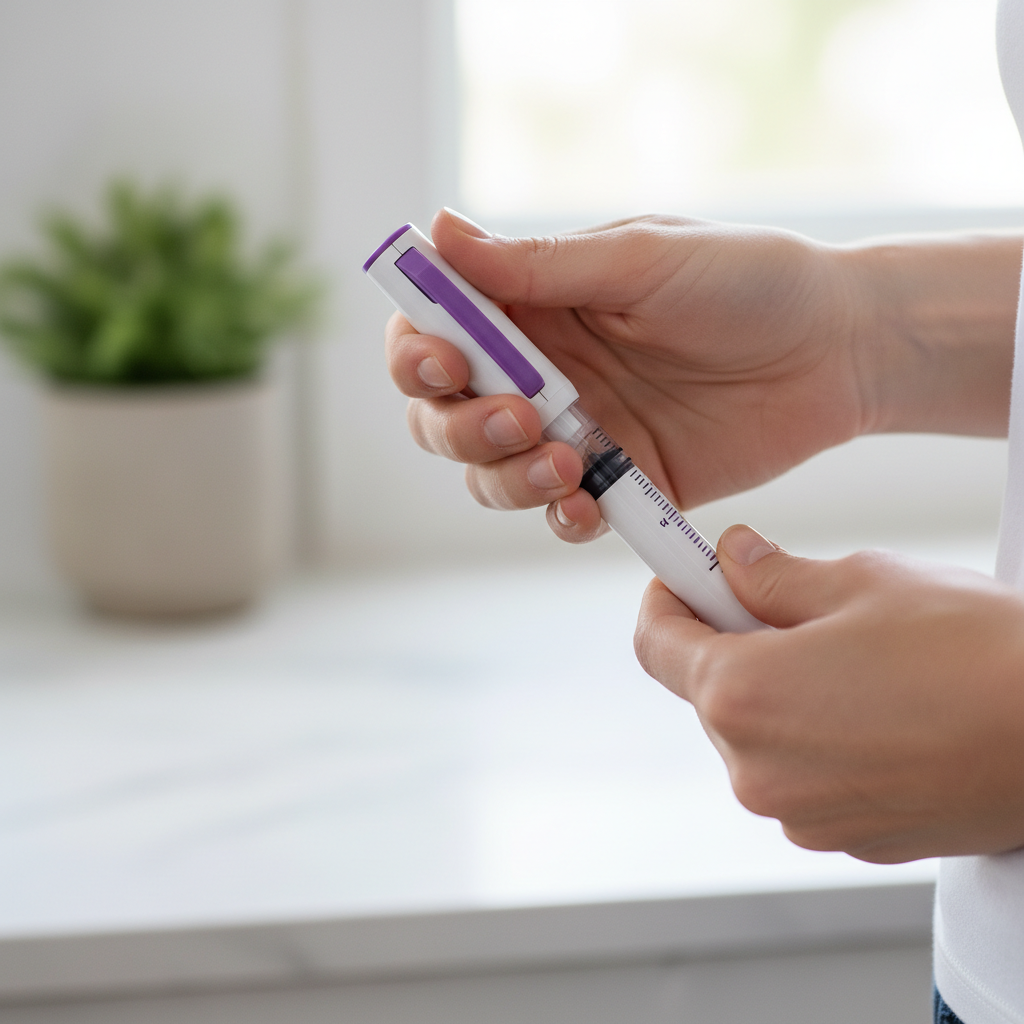
Mounjaro vs. Alternatives & Cost in Australia
When appealing, it can be helpful to demonstrate that Mounjaro offers unique benefits compared to other available treatments, especially if previous medications have been ineffective. Understanding the landscape of weight loss medications in Australia, including their mechanisms and costs, is crucial.
Important Note on PBS Listing:
Currently, Mounjaro is not listed on the Pharmaceutical Benefits Scheme (PBS) for weight loss or Type 2 Diabetes. This means that patients generally pay the full private prescription cost. However, some private health insurers may offer rebates depending on your level of hospital and extras cover. Always check directly with your insurer.Comparison Table: Mounjaro vs. Other GLP-1 Agonists in Australia
| Medication | Active Ingredient | Mechanism | TGA Indication(s) | Typical Weight Loss (Clinical Trials) | Estimated Monthly Cost (AUD, private) |
|---|---|---|---|---|---|
| Mounjaro | Tirzepatide | Dual GIP/GLP-1 Receptor Agonist | Type 2 Diabetes | Up to 22.5% (15mg dose) | $300 - $450+ |
| Ozempic | Semaglutide | GLP-1 Receptor Agonist | Type 2 Diabetes | ~15% (2.4mg dose, Wegovy) | $130 - $150+ |
| Wegovy | Semaglutide | GLP-1 Receptor Agonist | Weight Management (BMI ≥30 or ≥27 with comorbidity) | ~15% (2.4mg dose) | $300 - $450+ (expected) |
| Saxenda | Liraglutide | GLP-1 Receptor Agonist | Weight Management (BMI ≥30 or ≥27 with comorbidity) | ~5-10% | $350 - $450+ |
As you can see, Mounjaro's dual action often leads to superior weight loss compared to single GLP-1 agonists. This can be a strong point in your appeal, especially if you have struggled to achieve significant weight loss with other medications or interventions.
For current pricing and availability, visit our products page and pricing guide. At {{brand_name}}, we offer transparent pricing and TGA-registered telehealth consultations to help you access these medications safely and conveniently across Sydney, Melbourne, Brisbane, Perth, Adelaide, Gold Coast, Canberra, and nationwide.
How Mounjaro Works for Weight Loss
The science behind Mounjaro (tirzepatide) is fascinating and critical to understanding its effectiveness. As a dual GIP/GLP-1 receptor agonist, it mimics the action of two natural gut hormones:
- Glucose-dependent insulinotropic polypeptide (GIP): This hormone enhances insulin secretion and may play a role in fat metabolism and energy balance.
- Glucagon-like peptide-1 (GLP-1): This hormone slows gastric emptying, increases feelings of fullness (satiety), reduces appetite, and stimulates insulin release while suppressing glucagon secretion.
By activating both these pathways, Mounjaro provides a more comprehensive approach to metabolic regulation and weight management than GLP-1 agonists alone. Patients typically experience significantly reduced appetite, leading to lower calorie intake, and a feeling of sustained fullness, which helps in adhering to a reduced-calorie diet. This mechanism is why Mounjaro has shown such impressive weight loss results in clinical trials, even for individuals without Type 2 Diabetes.
Who Is Mounjaro For? Australian Eligibility Criteria
While Mounjaro's TGA approval is currently for Type 2 Diabetes, Australian doctors can prescribe it off-label for weight management based on clinical judgment, especially if you meet specific criteria. Generally, Mounjaro is considered for adults who have:
- A BMI of 30 kilograms/metre² or greater (obesity).
- A BMI of 27 kilograms/metre² or greater (overweight) with at least one weight-related comorbidity (e.g., high blood pressure, high cholesterol, sleep apnoea, pre-diabetes).
- Failed to achieve and maintain significant weight loss through diet and exercise alone.
It's crucial to have a thorough discussion with a TGA-registered doctor to assess your suitability. They will review your medical history, current health status, and other medications to ensure Mounjaro is safe and appropriate for you. At {{brand_name}}, our telehealth consultations connect you with Australian doctors who specialise in weight management and can guide you through this assessment.
Pros of Mounjaro for Weight Loss
- Superior Weight Loss: Clinical trials show higher average weight loss compared to other GLP-1 agonists.
- Dual Action: GIP/GLP-1 mechanism offers comprehensive metabolic benefits.
- Improved Metabolic Markers: Can improve blood pressure, cholesterol, and blood sugar (even if not diabetic).
- Convenient Dosing: Once-weekly injection with an easy-to-use KwikPen.
Considerations for Mounjaro
- Cost: Not PBS listed, so full private cost can be significant (AUD $300-$450+ per month).
- Side Effects: Common gastrointestinal issues (nausea, diarrhoea, constipation).
- Not for Everyone: Contraindicated in certain conditions (e.g., personal or family history of medullary thyroid carcinoma, MEN 2).
- Insurance Coverage: May require appeals if not diabetic, as discussed.
Mounjaro Dosage and Expected Results in Kilograms
Mounjaro is administered as a once-weekly subcutaneous injection using a pre-filled KwikPen. The dosage typically starts low and gradually increases to minimise side effects and allow your body to adjust. Our detailed Mounjaro dosage guide provides comprehensive information, but here's a summary:
- Starting Dose: 2.5mg once weekly for 4 weeks. This is a therapeutic dose, not intended for blood sugar control.
- First Maintenance Dose: 5mg once weekly.
- Escalation: Doses can be gradually increased to 7.5mg, 10mg, 12.5mg, and a maximum of 15mg once weekly, based on tolerance and clinical response.
Expected Results & Timeline:
- Weeks 1-4: Many patients notice reduced appetite and some initial weight loss. Mild side effects like nausea might occur.
- Months 3-6: Significant and noticeable weight loss typically occurs. Clinical trials show substantial reductions in body weight during this period.
- Month 12+: Continued weight loss and maintenance phase. In the SURMOUNT-1 trial, participants on the 15mg dose achieved an average weight loss of 22.5% of their body weight over 72 weeks. For someone starting at 100 kilograms, this could mean losing 22.5 kilograms.
It's important to have realistic expectations and understand that individual results vary. Mounjaro is most effective when combined with a healthy diet and regular physical activity.
Side Effects & Safety Considerations for Mounjaro
Like all medications, Mounjaro can cause side effects. Most are mild to moderate and tend to decrease over time as your body adjusts to the medication. Common side effects include:
- Nausea
- Diarrhoea
- Constipation
- Vomiting
- Abdominal pain
- Decreased appetite
To mitigate these, your doctor will typically start you on a low dose and gradually increase it. Staying well-hydrated and eating smaller, more frequent meals can also help. If side effects are persistent or severe, always consult your doctor.
More serious, but rare, side effects can include pancreatitis, gallbladder problems (including gallstones), and acute kidney injury. Mounjaro also carries a Boxed Warning regarding the risk of thyroid C-cell tumours, including medullary thyroid carcinoma (MTC), observed in rodent studies. It is contraindicated in patients with a personal or family history of MTC or in patients with Multiple Endocrine Neoplasia syndrome type 2 (MEN 2). Your doctor will discuss these risks with you during your consultation.

Patient Tips & Lifestyle for Maximising Mounjaro Benefits
While Mounjaro is a powerful tool, it works best when integrated into a holistic approach to health. Here are some tips for Australians on their Mounjaro journey:
- Dietary Focus: Prioritise lean protein, fibre-rich vegetables, and whole grains. These help with satiety and can mitigate gastrointestinal side effects. Avoid highly processed foods and sugary drinks.
- Hydration: Drink plenty of water throughout the day. This is crucial for overall health and can help manage constipation.
- Exercise: Aim for regular physical activity. Incorporate both cardiovascular exercise and resistance training to preserve muscle mass during weight loss. Even a brisk walk around your local Sydney park or a swim at a Melbourne beach can make a difference.
- Sleep & Stress Management: Adequate sleep and stress reduction are vital for hormonal balance and overall well-being, both of which impact weight.
- Regular Doctor Check-ups: Maintain regular contact with your TGA-registered doctor to monitor your progress, manage side effects, and adjust your treatment plan as needed.
- Support Networks: Connect with others on a similar journey or seek support from dietitians or exercise physiologists.
FAQs About Mounjaro and Insurance in Australia
Can I buy Mounjaro online in Australia?
Yes, you can obtain Mounjaro online through TGA-registered telehealth platforms like {{brand_name}}. You will need an online consultation with an Australian doctor who can assess your suitability and issue a prescription if appropriate. The medication is then dispensed by a licensed Australian pharmacy and delivered to you.
Is Mounjaro covered by the PBS in Australia?
No, Mounjaro is currently not listed on the Pharmaceutical Benefits Scheme (PBS) for either Type 2 Diabetes or weight loss. This means patients pay the full private cost.
What is the typical cost of Mounjaro in Australia?
The private cost of Mounjaro in Australia can range from approximately $300 to $450+ per month, depending on the dosage and pharmacy. You can find more details on our pricing page.
How long does it take to appeal an insurance denial?
The timeline can vary. A first-level internal appeal might take a few weeks, while an external review could take longer. Persistence and timely submission of all required documents are key.
What if my A1C is borderline high, but not diabetic?
If your A1C indicates pre-diabetes (5.7% to 6.4%), your doctor can strongly argue for Mounjaro as a preventative measure against progression to Type 2 Diabetes, especially if you have other risk factors or comorbidities. This is a strong point for your appeal.
Ready to Start Your Mounjaro Journey?
Facing an insurance denial for Mounjaro when your A1C isn't high enough can be disheartening, but it's often not the final answer. By understanding the appeal process, gathering comprehensive medical evidence, and advocating for your health, you can significantly improve your chances of securing coverage for this life-changing medication.
At {{brand_name}}, we are committed to supporting Australians in their weight management goals. Our platform offers convenient, TGA-registered telehealth consultations with experienced Australian doctors who can assess your eligibility for Mounjaro, provide prescriptions, and guide you through the process, including advice on insurance appeals. We ensure fast, discreet delivery of genuine Mounjaro (tirzepatide) from licensed Australian pharmacies directly to your door, whether you're in Sydney, Melbourne, Brisbane, or anywhere across the country.
Don't let administrative hurdles stand in the way of your health. Take the first step towards a healthier you. Explore our Mounjaro products or view our transparent pricing and book a consultation with one of our TGA-registered doctors today.